
Emergency Shoring
Balcony pulling away from the wall? Open hole in the envelope after a storm? We keep several hundred shore posts on hand and mobilize within 48 hours to stabilize your structure before further damage or injury.
Stucco wood-framed homes along Florida's coast hide moisture damage behind perfect-looking walls. We map it, verify it, and rebuild it — the right way, the first time.
Salt air, wind-driven rain, and decades-old assemblies built without proper kick-out flashing or drainage planes trap water against the framing. By the time you see a stain — the damage behind the wall has already spread.
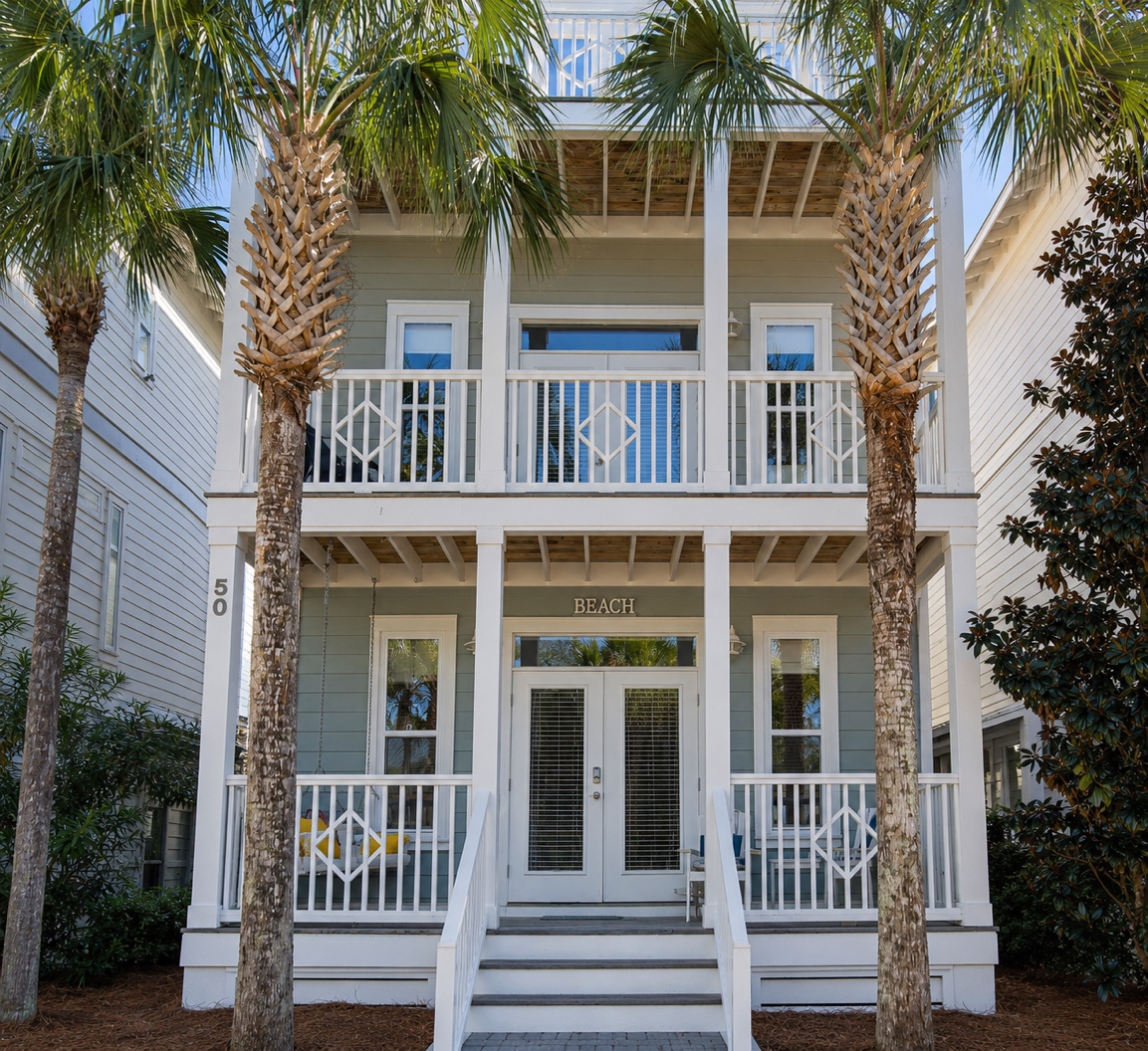
Every photo below is from a real coastal Florida home that "looked fine from the outside." By the time water shows up inside, the framing has been failing for years.
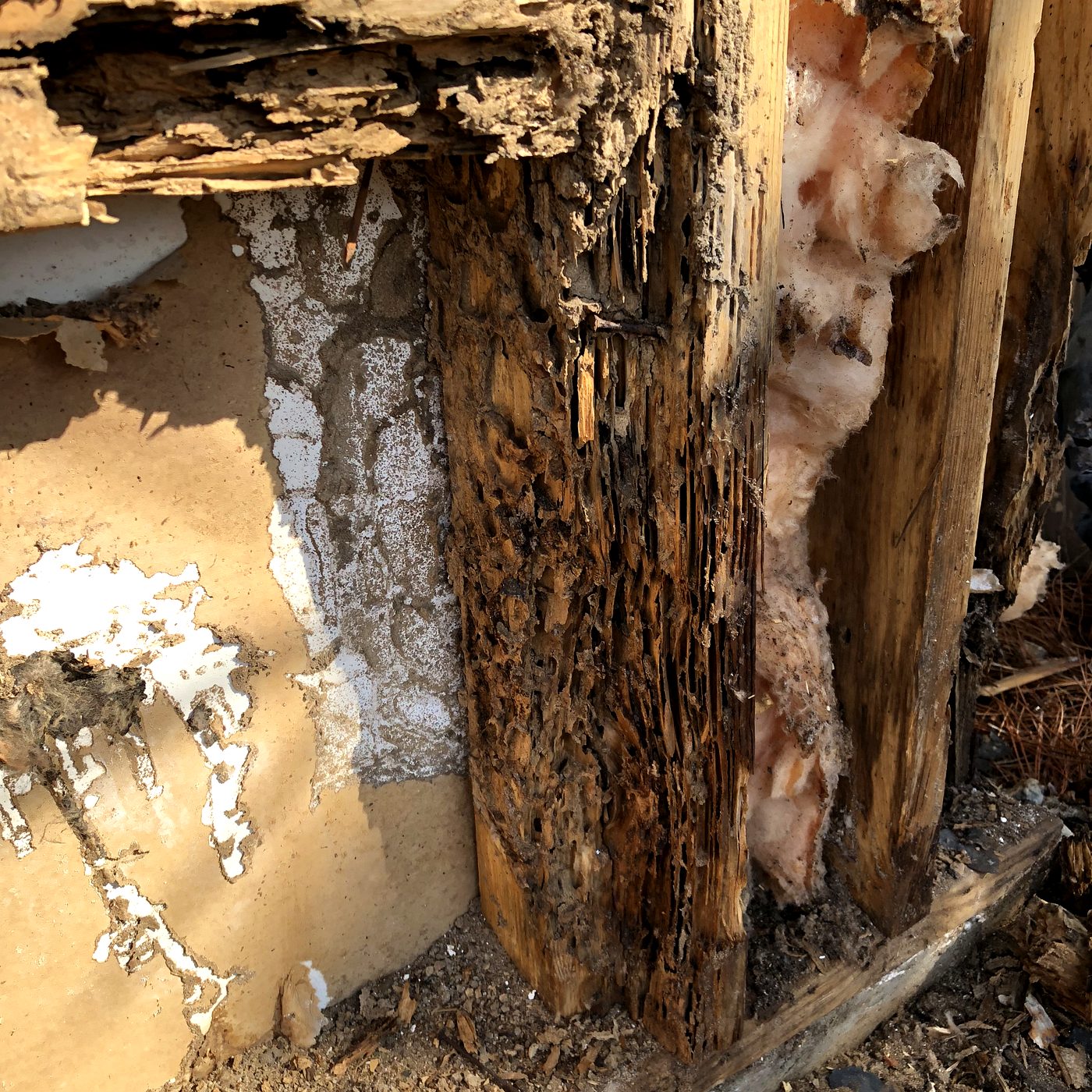
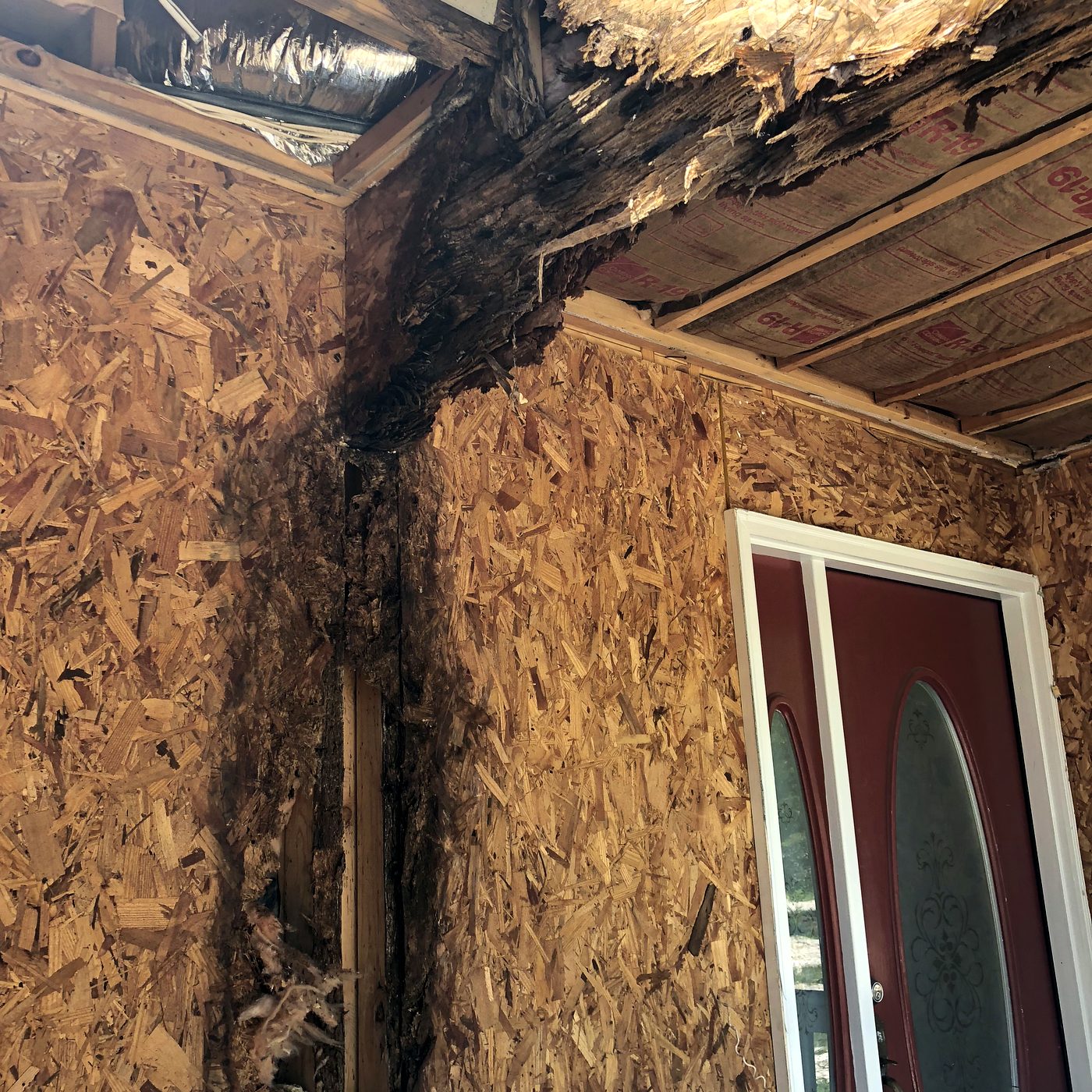
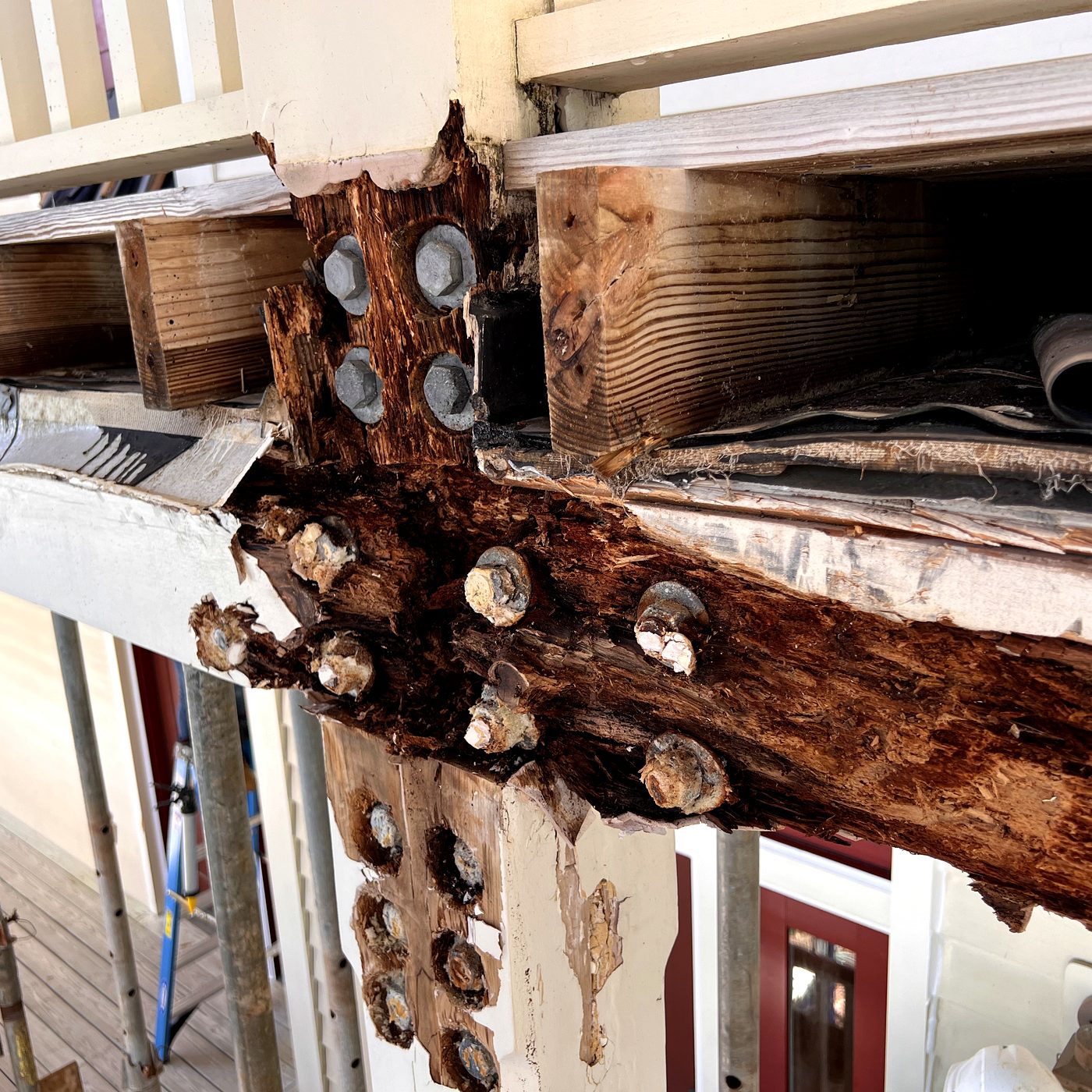
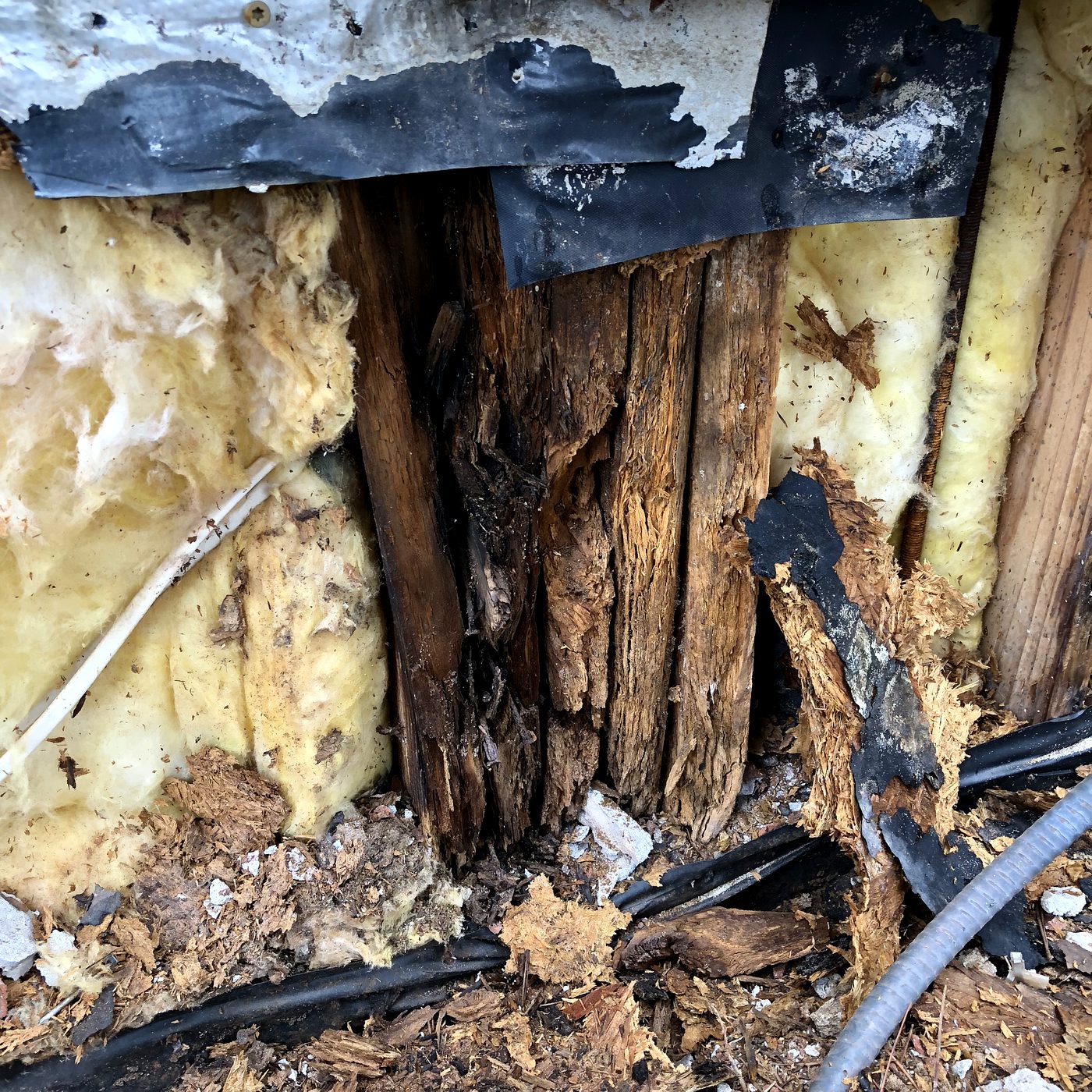
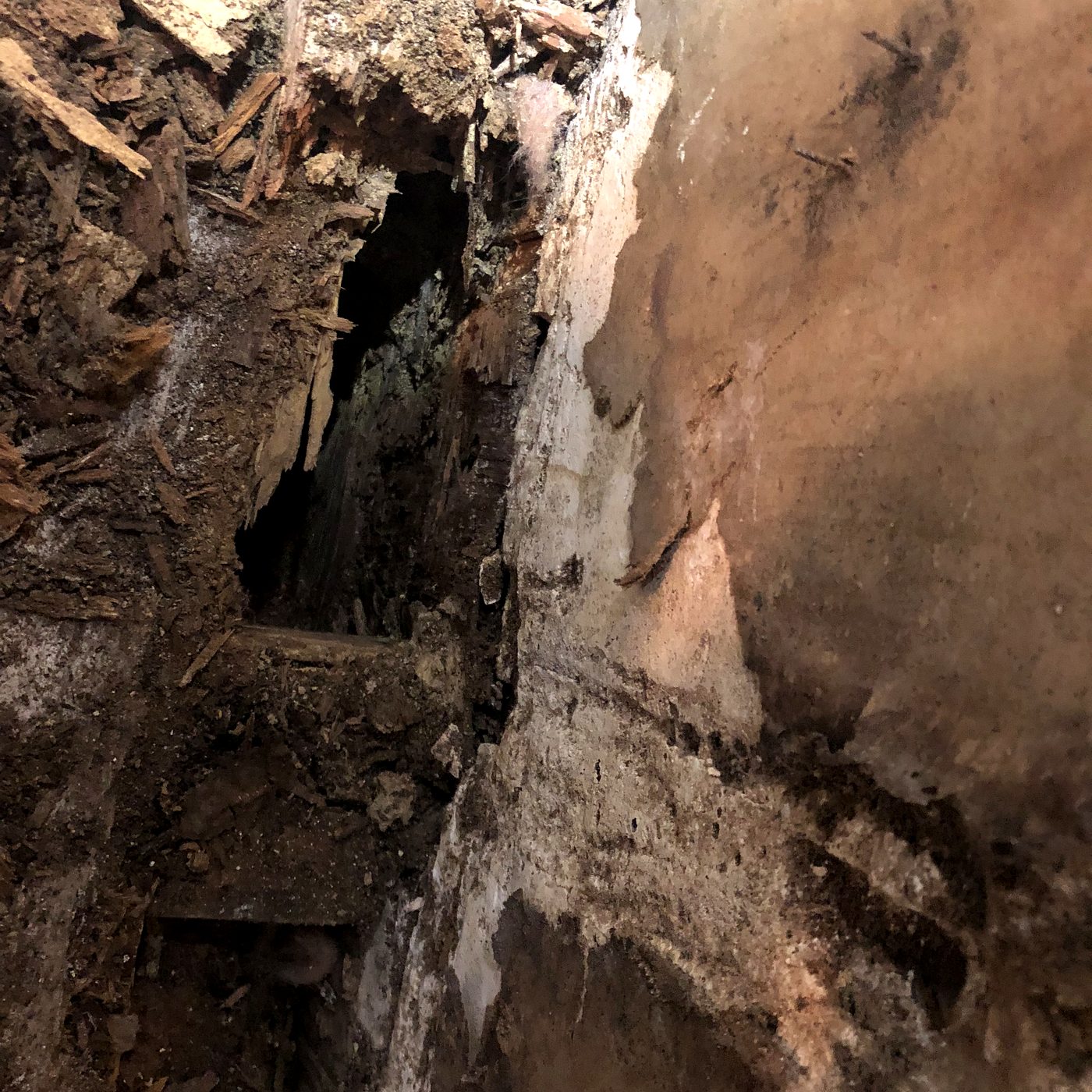
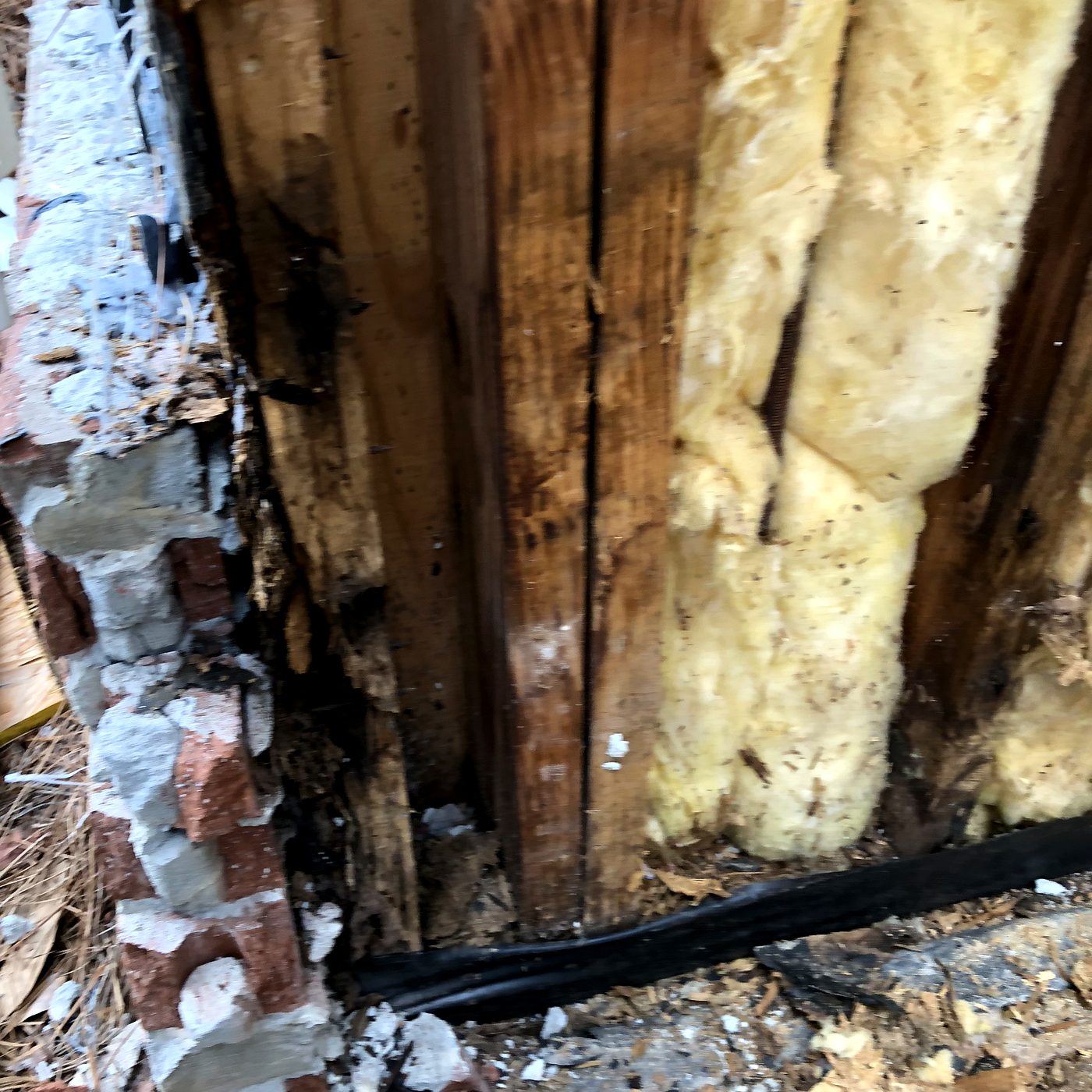
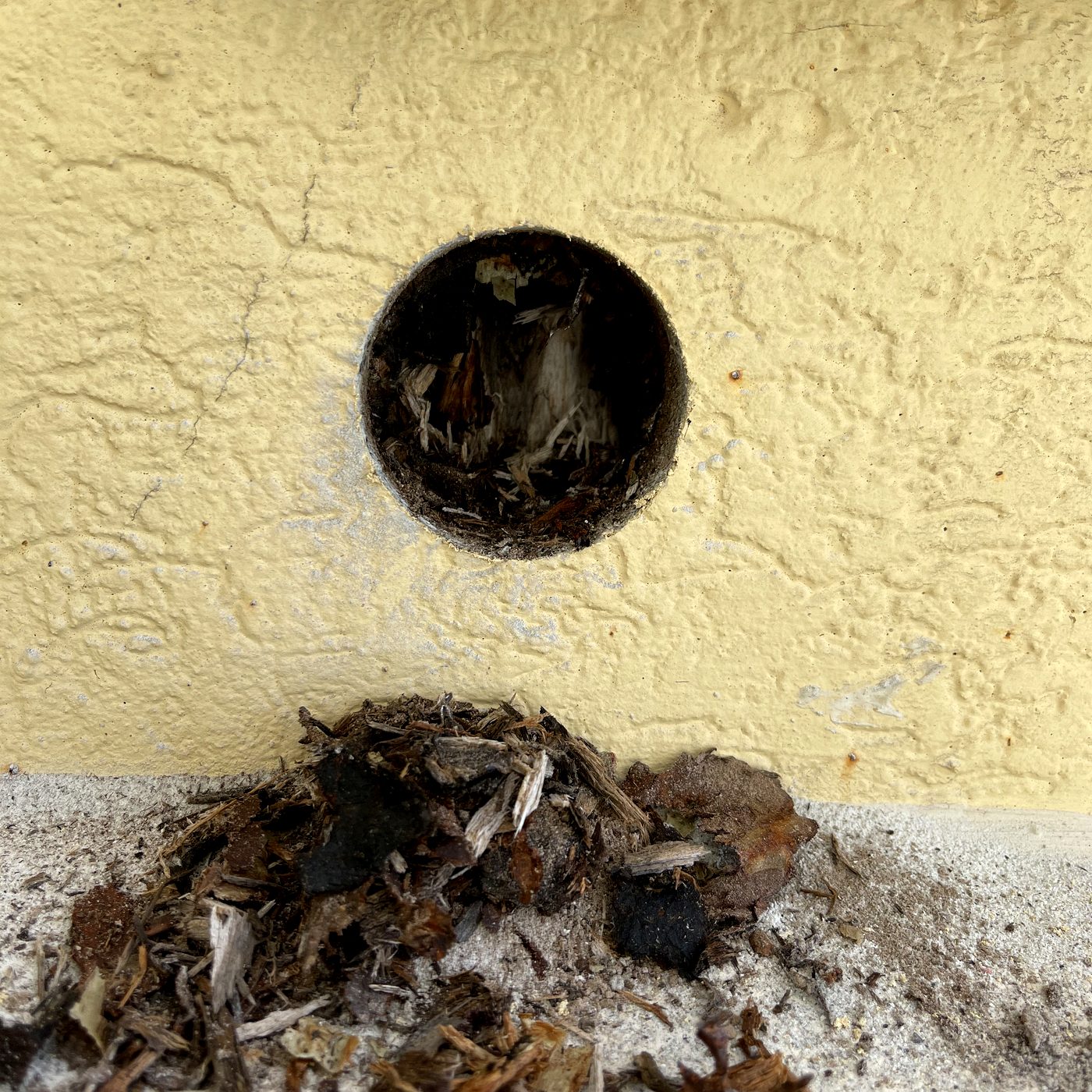
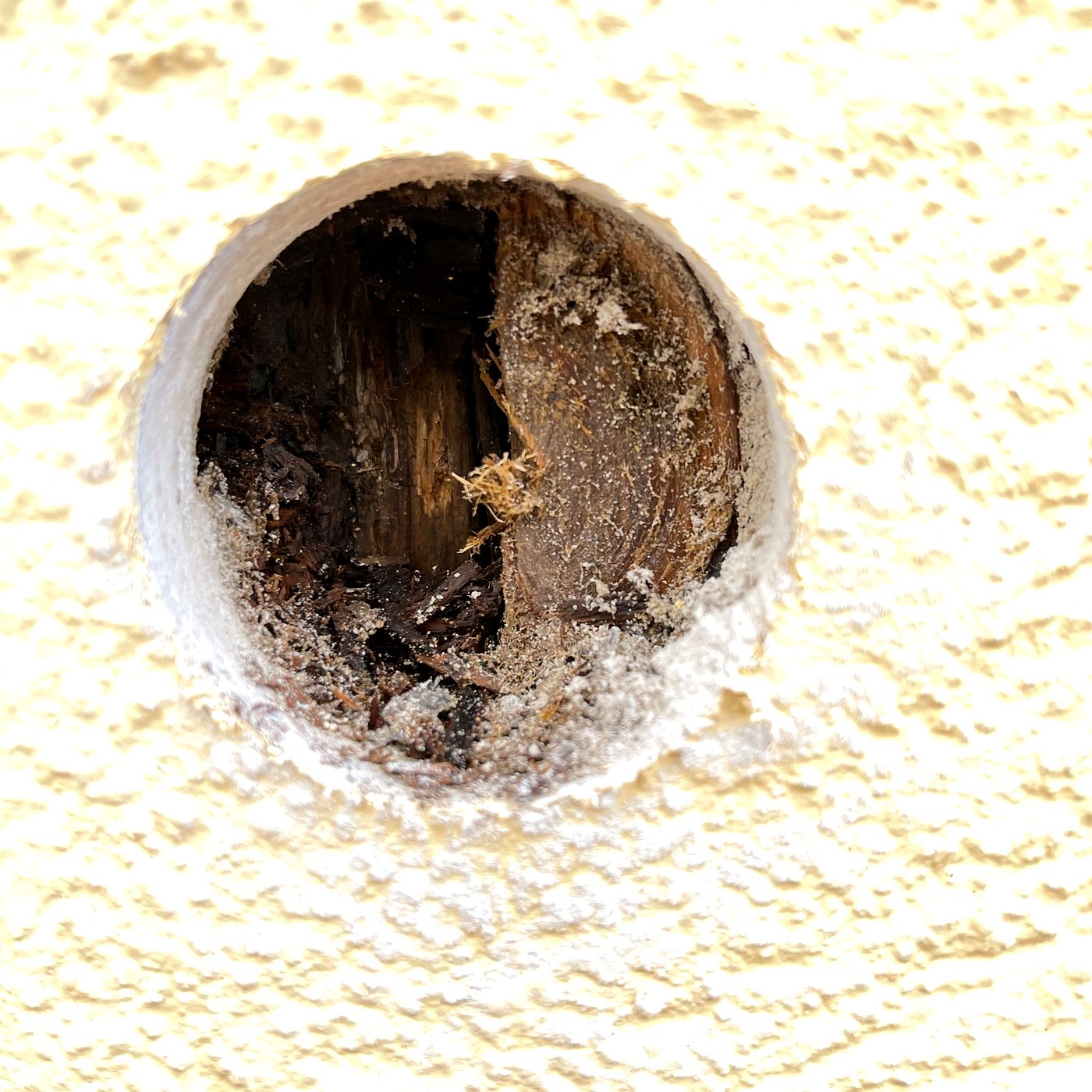
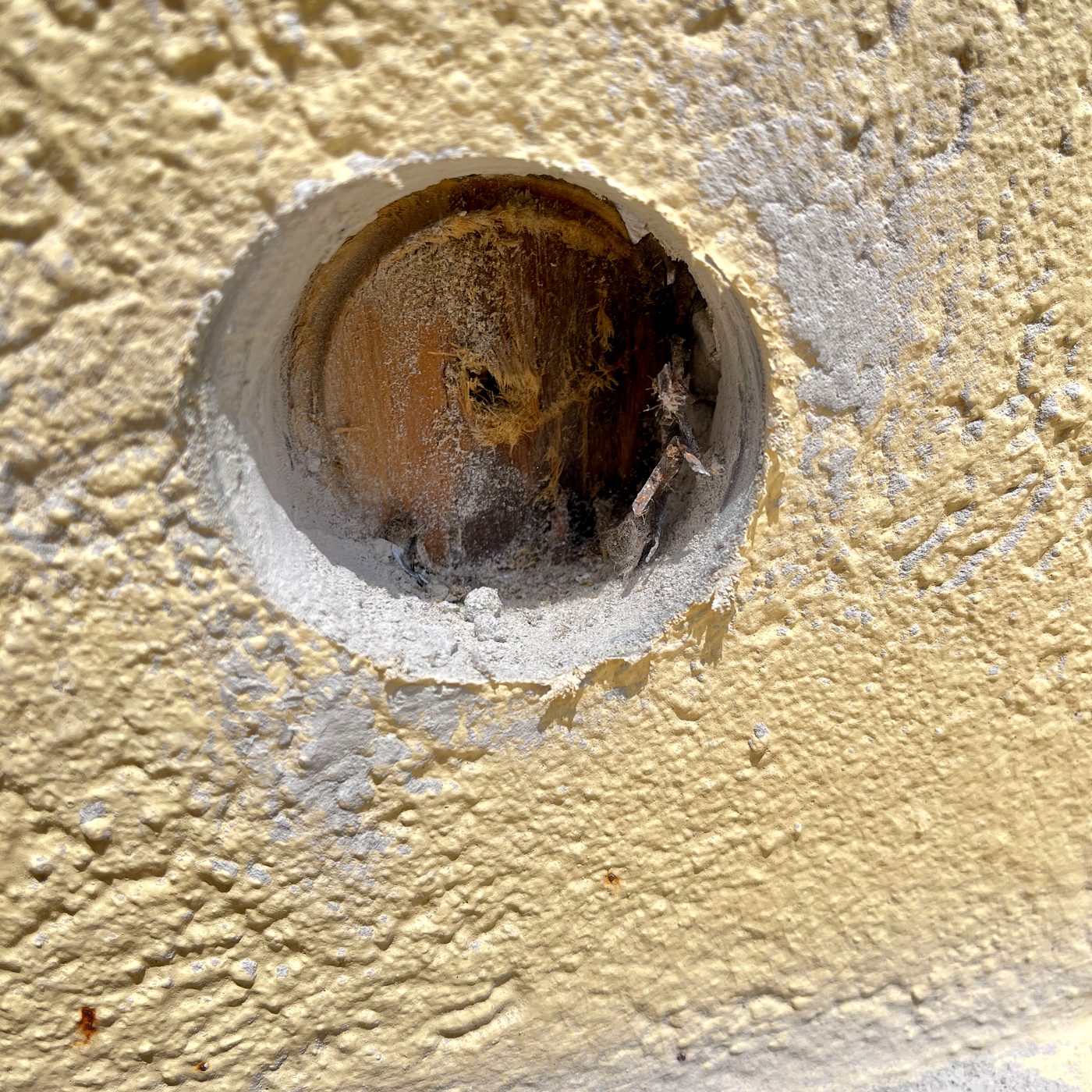
All photos from active Rebuilders Residential Services projects. See the full portfolio →
We focus narrowly so you don't pay a generalist to learn on your house. Every service below is wired into our 5-step process.
Balcony pulling away from the wall? Open hole in the envelope after a storm? We keep several hundred shore posts on hand and mobilize within 48 hours to stabilize your structure before further damage or injury.
Performed by independent third parties like Hydroscout and Moisture Management. Non-destructive scanning maps every wet zone behind your stucco and siding before we touch a wall.
Selective demo, replacement of deteriorated yellow pine framing and CDX sheathing, and full reframing where needed. The hidden problem — fixed for good.
Full envelope reconstruction managed by a licensed General Contractor. From a single elevation to the whole exterior, we handle demo, repair, finish, and inspection.
Fluid-applied flashing, wet-flash systems, kick-out flashing at balcony-to-wall intersections, and proper sealants — the layer your house was probably built without.
Engineered repairs for compromised framing, sheathing, and load paths. We bring in structural engineers when the damage justifies it — not after the fact.
Hardie siding, profile-matched trim, sealants, and paint-matched finishes. Re-clad an elevation or the whole home with a properly engineered drainage plane behind it.
Every project follows the same disciplined sequence. No shortcuts, no guessing, no surprises after demo.
We walk the exterior with you, document warning signs, and identify suspect elevations — flashing, balconies, windows, transitions.
A third-party firm (Hydroscout / Moisture Management) maps damage beneath the substrate — sheathing and framing — without removing a single board.
We verify the moisture report by cutting small round inspection holes at every high-moisture / soft-substrate flag. No assumptions — only confirmed scope.
Performed by a licensed GC. Structural engineering where needed. Proper waterproofing, flashings, sealants, and coatings. Put back together to last.
Post-repair walkthrough, follow-up moisture verification, and a maintenance plan so the problem stays fixed for the life of the home.
Rebuilders Residential Services is the homeowner-focused arm of Rebuilders Group — a Florida State Certified GC that's been rebuilding condos, hotels, and HOAs across the coast since 2000. We brought that same discipline to single-family homes.
We don't do kitchens or pools. Coastal envelope reconstruction is all we do — so we're good at it.
Inspections are run by 3rd parties (Hydroscout, Moisture Management). You get an unbiased map before we propose anything.
Structural engineering is built into our process when the framing needs it — not bolted on after a problem surfaces.
Proper flashings, drainage planes, sealants, and finishes. We rebuild it so the next owner doesn't have to.
From the Panhandle to the Gulf Coast, anywhere salt air meets wood framing. Two Florida offices — one team.
We were 12 days from closing in Inlet Beach when the buyer's inspector flagged moisture on the front elevation. Honestly thought the deal was dead. Michael had a third-party inspector out the following Monday and gave us a real scope so we could negotiate a credit and close on time. Pretty much my first call now whenever moisture comes up on a contract.
Our painter was doing touch-ups and noticed the trim under a window was soft. By the time he poked around it was way worse than we thought. Got three quotes — Rebuilders wasn't the cheapest but theirs was the only one that actually explained what was wrong and how they'd fix it. Two and a half years in, no leaks, no problems.
Got a call from our cleaner on a Saturday morning that a 3rd-floor balcony was separating from the wall at one of our rentals. Total panic mode — we had a turnover the next day. Michael's guys were there with shoring before lunch and we scheduled the proper rebuild for our next slow week. Can't say enough about how they handled it.
Send us the basics and a few photos if you have them. We'll respond within one business day to schedule a free visual inspection and walk you through next steps.
Coastal FL only · No obligation
Common signs: soft or spongy substrate, bubbling paint, hairline stucco cracks, dark staining around windows and balconies, musty smells, and visible damage at kick-out flashing locations. A non-destructive moisture inspection is the only reliable way to map damage before opening up walls.
Coastal humidity, wind-driven rain, salt exposure, and decades-old stucco assemblies (often installed without proper kick-out flashing, weep screeds, or a drainage plane) trap moisture against the sheathing. Once water gets in, it can't dry — and the framing slowly rots over years.
No — on purpose. We partner with independent third-party firms like Hydroscout and Moisture Management. You get an unbiased report, then we verify it with limited destructive discovery before scoping any repair.
Yes. Work is performed under Rebuilders Group: Florida State Certified General Contractor (CGC1523048) and Certified Roofing Contractor (CCC1330663). Full general liability and workers' comp coverage.
Most single-elevation repairs run 2–3 weeks from demo to coatings. Whole-home re-cladding or structural projects scale from there. We confirm a schedule after Step 3 (Discovery), once the damage is verified.
We can document scope, damage, and repair cost for your adjuster, but we don't represent homeowners with insurance carriers. Choose a licensed public adjuster for that — we'll coordinate on the scope.
Third-party moisture inspections in coastal Florida typically run $500–$1,500 depending on the size of the home and the scope of the scan. The vendor invoices you directly; we don't mark it up. Our initial visual inspection is always free.
Costs vary widely based on the extent of damage, but a single elevation on a typical 30A-style home runs $35,000–$90,000+. Whole-home re-cladding projects start in the six figures. We give a firm number after Step 3 (Discovery) confirms exactly what needs to be replaced — no surprise change orders.
Cosmetic damage is paint, stucco surface cracks, or stained siding — the finish. Structural damage is rot in the sheathing, studs, top plates, headers, or load-bearing framing — the bones of the house. Cosmetic gets a coat of paint; structural gets engineering and rebuild.
Yes. Wet wood feeds fungal decay that travels through framing as long as the moisture source remains. It can also invite carpenter ants and termites, which compound the structural damage. Catching it early limits the repair to one or two elevations instead of the whole envelope.
For most exterior-only wood rot and re-cladding projects, no — you can stay in the home. We isolate the work area, contain dust, and protect interiors. If the project involves opening up significant interior wall surfaces or structural shoring, we'll talk through whether temporary relocation makes sense.
October through May is ideal — lower humidity, less rain, and cooler working temperatures. That said, we work year-round and use temporary weather protection (tarps, fluid-applied flashing, on-call dry-in) to keep the structure protected even during summer storms.
Generally no — most Florida homeowner policies exclude wood rot, fungus, and "long-term water intrusion" as maintenance issues rather than sudden losses. If the rot was caused by a specific covered event (a hurricane, a burst pipe, an impact), some carriers will pay for the repair portion. Always check with your adjuster.
Kick-out flashing is a small angled piece of metal installed where a sloped roof meets a vertical wall, designed to divert roof water into the gutter instead of behind the siding or stucco. It's required by modern code but missing on the majority of coastal Florida homes built before 2010 — and missing kick-out flashing is the #1 source of hidden wood rot we see.
We tarp adjacent walls and windows, protect landscaping with plywood and tarps, contain dust, and walk the perimeter daily. Driveways and pool decks get covered. We treat the rest of the home like it's a finished space — because it is.
Yes. Hardie profiles, stucco textures, trim details, and paint colors are all matched as closely as possible. For older homes where the original siding profile is no longer made, we'll show you the closest current match and confirm before ordering.
We run a standard progress-payment schedule on every project (deposit, mid-project draws, final on completion) — there's no interest and no third-party lender involved. For larger projects where homeowners want true financing, we can recommend lenders who specialize in home improvement loans.
We provide a written 2-year workmanship warranty on labor and a 10-year warranty on the waterproofing/flashing systems we install. Manufacturer warranties on Hardie siding, paint, and sealants are passed through directly to you.
A general contractor builds the whole house. We specialize narrowly in coastal envelope reconstruction — moisture, rot, flashing, waterproofing, and re-cladding on existing homes. That focus means we see the same problems every week and we've already solved every one of them. We're not learning on your house.
It happens — the moisture map is non-destructive and sometimes underestimates. When discovery reveals additional damage, we stop, document it with photos, and provide a written change-order with a fixed price before resuming. You always know exactly what you're agreeing to.
Yes. As a Florida State Certified General Contractor, we pull all required permits, coordinate with local building departments (Walton, Bay, Okaloosa, Hillsborough, etc.), and manage every required inspection from rough framing through final.
Yes — common in places like Watercolor, Rosemary Beach, and Seaside. We help you prepare the HOA architectural submittal, match approved siding profiles and paint colors, schedule work within allowed hours, and provide ARB-ready drawings when required.
After scope is agreed and deposit is in, we typically start within 2–4 weeks depending on permitting and material lead times. Emergency stabilization (a balcony pulling away, an open hole in the envelope) we mobilize for within 48 hours.
That's a great use of our free consultation. Send us the other contractor's scope and any moisture reports — we'll review honestly and tell you whether the scope and pricing are reasonable, even if we don't end up doing the work.